
My third son sowed the seed. I can’t prove where he said it, or exactly when, but it was years ago. It seems to fit when we were riding a 350hp jet ski down the Pangalan Canal on the east side of Madagascar. Others have travelled the Pangalan; one or two might have had a jet ski, but we had the only 350hp one in Madagascan history.
‘Dad, you should write your memoirs so your grandchildren will know the crazy things you’ve done.’
I didn’t then, but the idea wouldn’t go away. So I began by reading my father’s autobiography ‘Never, Not quite’, once again, and realised it glossed over his early years and ended when I was five. I started researching and eventually wrote what might have been chapter 1.
I sent it to my brother and sister. After all, they have the same parents, so they should be excellent beta readers and critics.
The reception was negative, very hostile. When I sat back and read what I had written, I reached a soul-destroying conclusion. I could not write.
That delayed things for a while, until my soul crept out of hiding and said, ‘You must learn to write. Try fiction.’
I did, all 300,000 words of a three-book series. After all, other SF writers have done the same. (How’s that for a misguided opinion of oneself?)
Any time I need to deflate my ego, I dig out those manuscripts and read them.
My sister read the first paragraph; her reply is not worth repeating.
My brother read a lot of it; he was at least polite.
One of the other readers I sent it to took pity on me. He told me to read a list of writing and editing books and to try writing short stories. (He mentioned the almost acceptable bits in the MS were essentially short stories.)
I did, and several short stories later, someone said, ‘You will do better if your stories have a place, background, and people you know because you’ve been there, and use unpublished stories that you have heard in the past. Someone else explained what tropes are, and I decided to avoid writing such stories. I wanted to SAY something.
I began what would be my first self-publishable book. I had to rewrite it at least three times (about average for all my books), a) in first person, b) in third person, c) back in first person. That makes nine times in total. But eventually, the structural editor I chose declared it good enough to publish on Amazon. An editor did a fine job. The title changed three times; I now select the title after the book is complete, often from a line in the book or a beta reader’s suggestion.
Book 1:
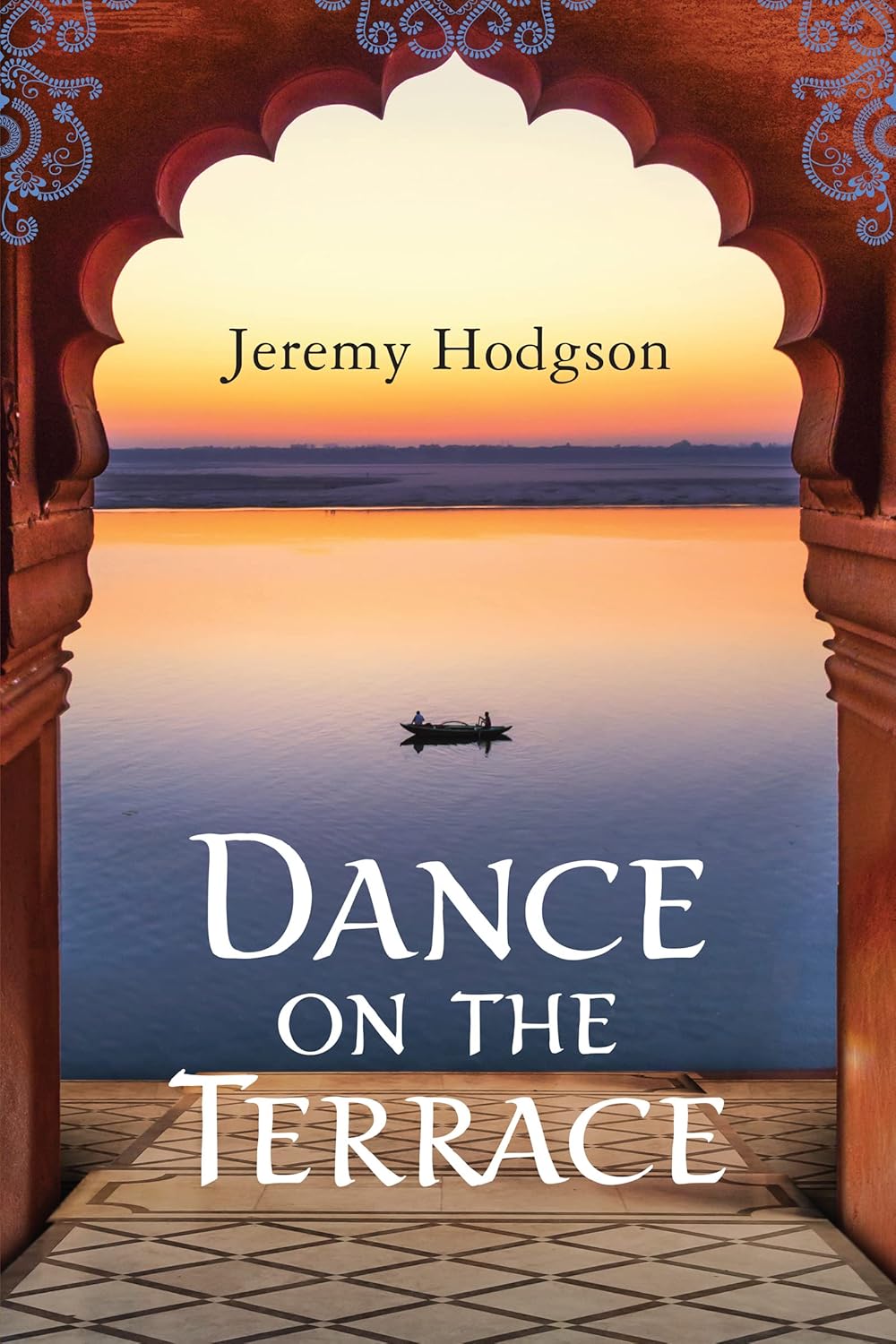
Dance on the Terrace
Takes place mostly in India, where I was born, and includes anecdotes that my father told me many years later about the WWII period when he was a tea planter and then a Major in the Indian Army. Most of the anecdotes had sad endings, but I like happy endings, so I had to make many modifications. Probably classifiable as a historical romance, it features a British civil servant who, after a lifetime in India, retires to England and, after his wife’s death, returns to India to build a new life. Successfully.
Then I learnt that marketing and promotion account for 75% of the effort required to publish an eBook. It brought introspection and a decision. I was learning to write only to write my autobiography for a limited audience—my family. Placing the book on Amazon made it easy for members of my family, spread across Australia, Canada, the UK, France, and Africa, to obtain a copy. I had neither the time nor the inclination to market my book. I did nothing.
Then my life ended. Almost. My wife was diagnosed with a dreaded disease, and between twice-monthly visits to the doctor, I researched everything I could find on the web. One of the articles I read from the Mayo Clinic gave me an idea, and another article on epidemiology gave me another, so with limited freedom to go anywhere, I wrote another book with a happy ending. The book has nothing to do with my wife’s outcome, but she is in remission, and a cure is on the horizon.
Book 2:
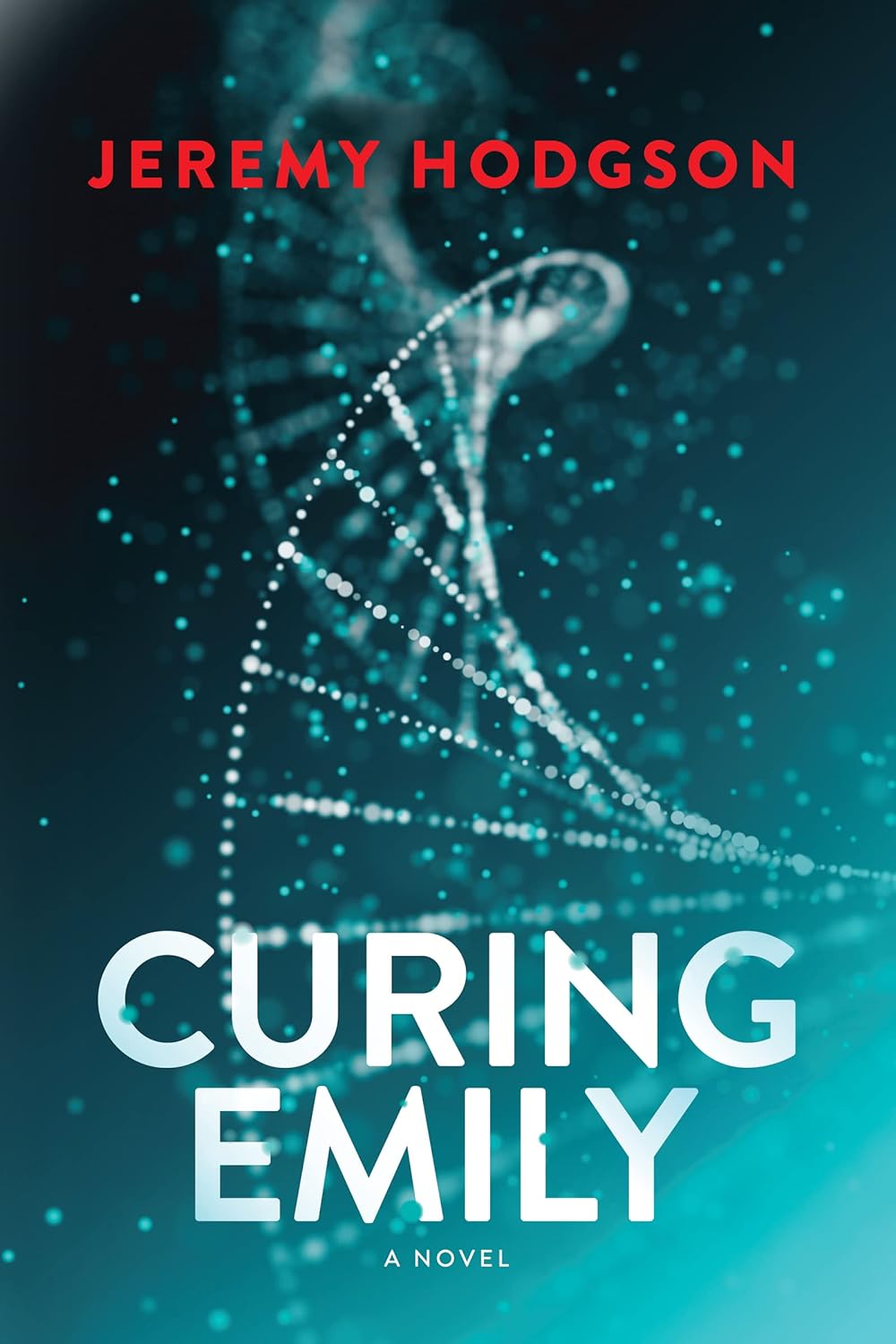
Curing Emily
Call it what you will, SF, a touch of romance, medical research, or a detective novel. Still, it is an imaginative story of how a son, a medical laboratory bio-scientist, aided by a geneticist and others, finds a cure for his mother’s cancer.
Still with limited freedom to travel, I read another book or two about ‘How to Write a Book.’
Then others on ‘How to Edit a Book.’ I’m still unsure about the advice, which I feel, after years of reflection, emphasised the trope where a mentally depressed protagonist overcomes his depression or difficulty. As Curing Emily was, I felt, a worthwhile exercise, I wrote another, but set it in the background of the Britain I know and Namibia.
Book 3:
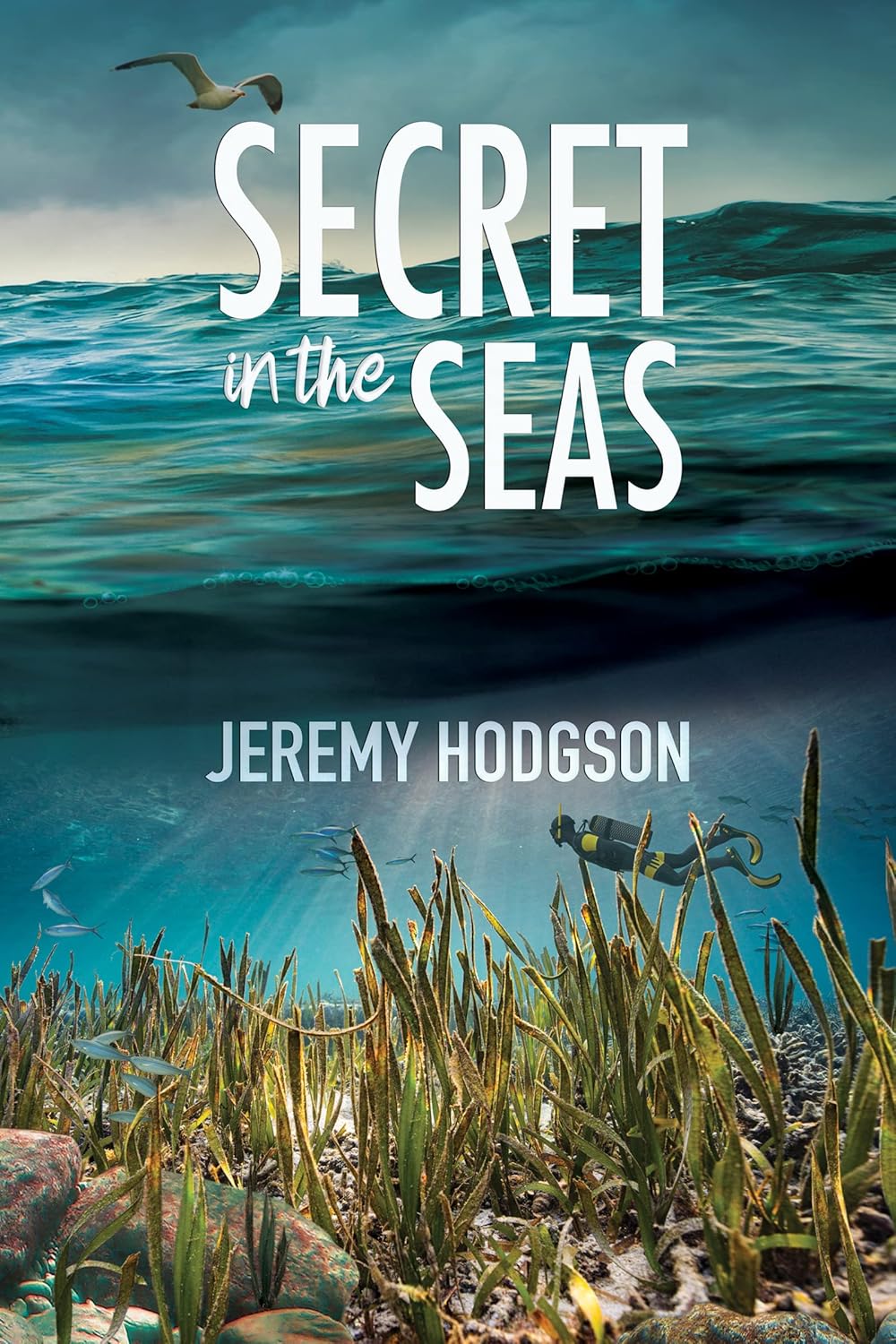
Secret in the Seas.
Perhaps overly influenced by ‘How to Write a Book’, it features a botanist who loses his parents, scrapes a pass in his degree exams, then recovers from his depression in Namibia before returning to the UK to redo his degree and take up a career as a researcher for a doctorate, aided by a young woman with a debilitating phobia. Finding a happy ending was daunting.
Life became easier, medical visits less frequent, and trips to game reserves possible. Committed to preserving the wild since my teenage years, I decided to write something with animal preservation as a theme.
Book 4:
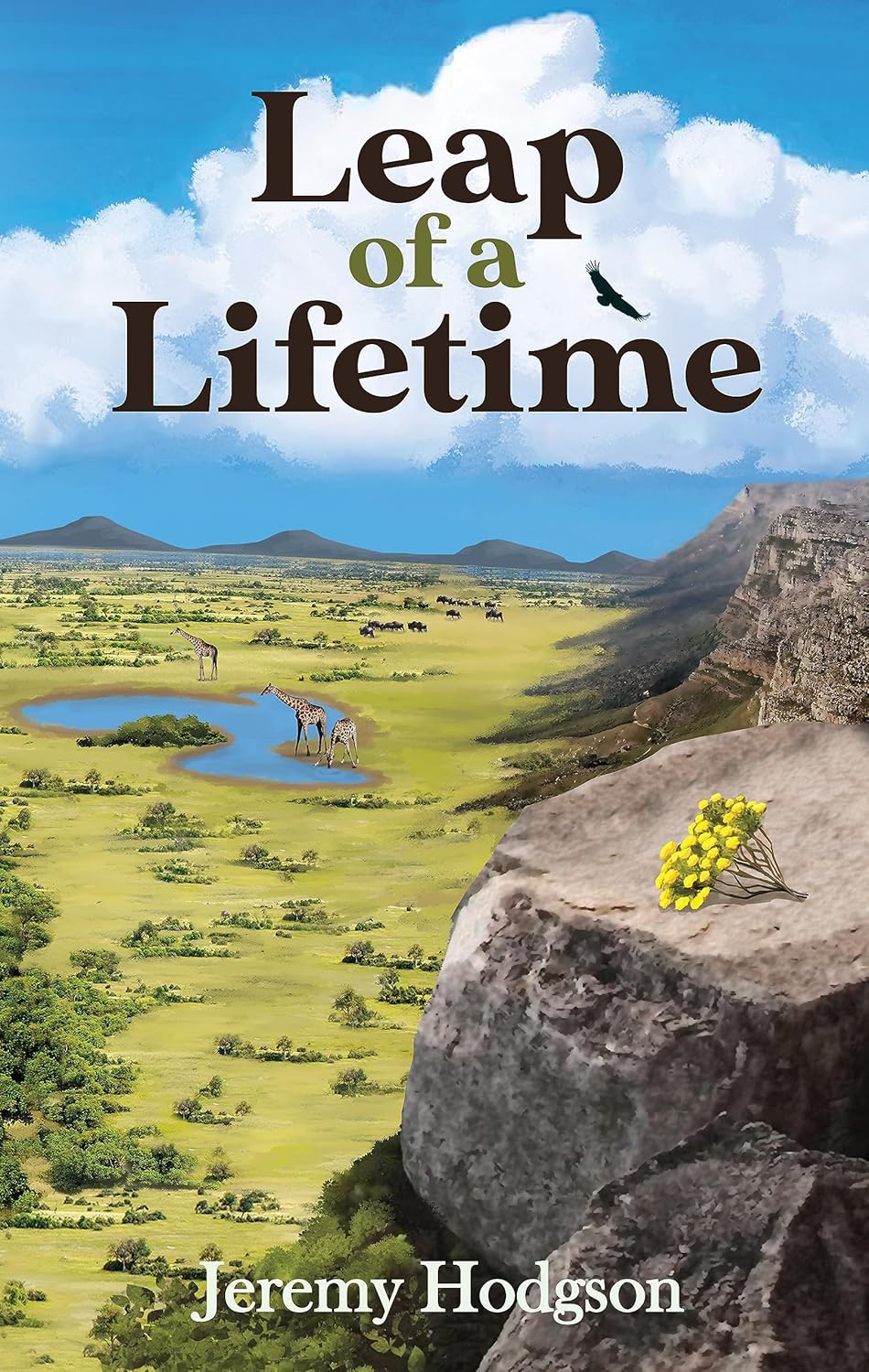
Leap of a Lifetime
A definite improvement, and the best of the four, the story revolves around a young woman who escapes from an office life in Cape Town to the world of the Nyerere National Park in Tanzania, where lions, leopards, elephants and cheetahs abound, and poachers are a constant menace.
Then came the first book I DIDN’T FINISH. Maybe I will one day. I enjoyed the first half that I wrote, then I lost the plot, or rather, the plot lost me. I’ll clarify that, I had reached the magic figure of 60,000 words, the number I set before I write THE END in the first draft. I know more will fill it during the first revision. Unfortunately, the first revision became a cut of the last 20,000 because the plot had somehow gone off at a tangent, and I couldn’t find another route. I still have the file; it’s labelled Aygee, the protagonist’s name.
So, with nothing else, I sat in the sun and thought, and the question popped up.
Where have I been that I found fascinating, and I have not written about?
I sat remembering, and the answer was the Cairo Museum.
Why?
Hieroglyphs and thousands of records!
I plotted, without a theme, and then wrote. A theme lurks behind the story, but even today I’m not sure which one, for there are at least two. As I have spent many years in Arab countries, the two protagonists are Egyptian.
The title finally came from a scene in the book
Book 5:
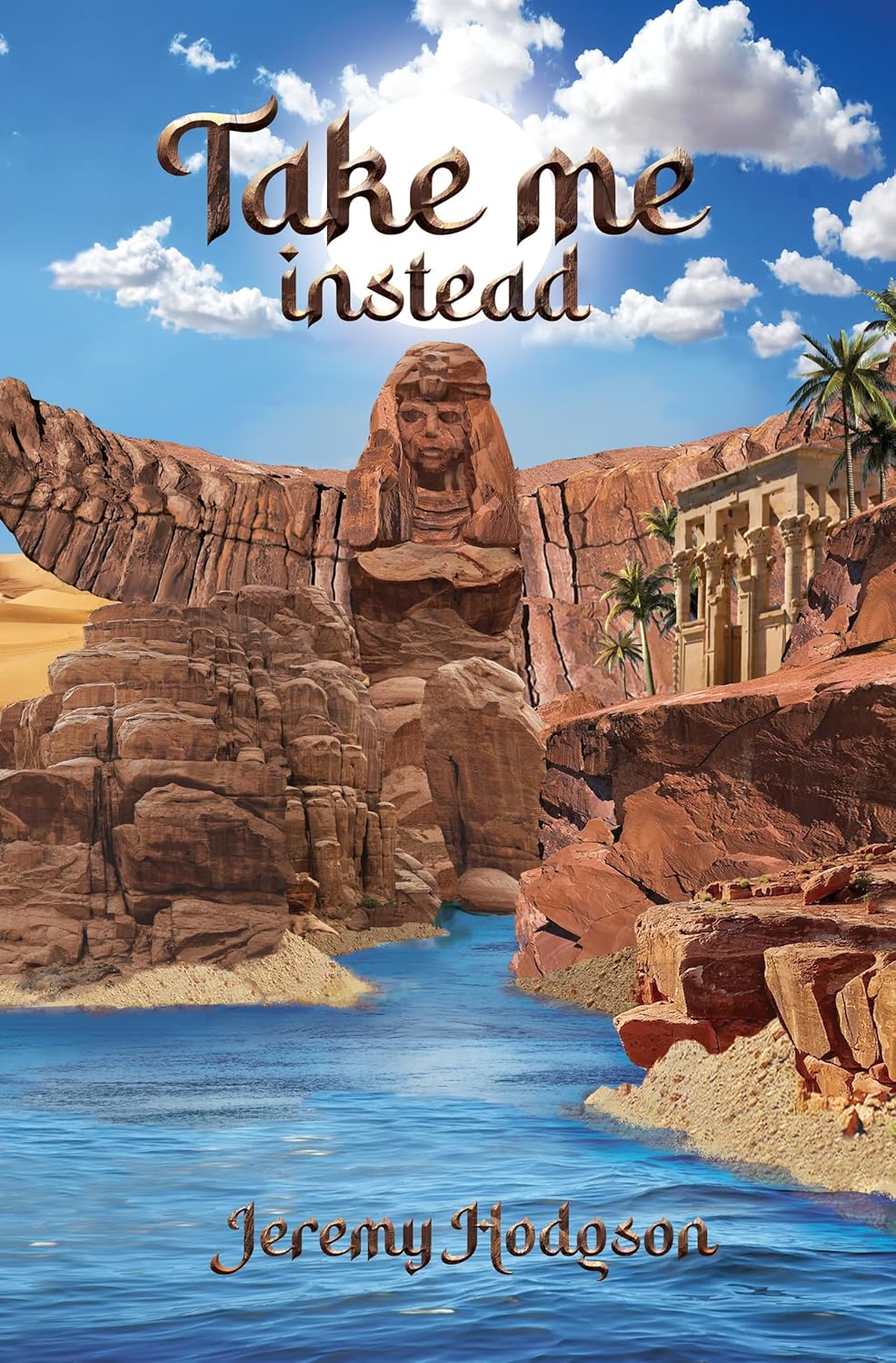
Take me Instead
The story begins with a car accident in New York that injures the male protagonist. After a partial recovery, he leaves for Egypt to follow the Nile from Cairo to Aswan, searching for traces of ancient Egyptian medicine, and encounters the female protagonist, the marketing director of a perfume company. Part detective, part adventure, part romance, the story unfolds against a backdrop of ancient Egypt. I liked the ending.
I had feedback about Leap of a Lifetime, as my friends and family loved it. I decided to write another ‘Save the wild’ theme. I chose Botswana, where I had experienced less commercial tourism, met many dedicated rangers, and perhaps the film I had watched as a child, Jamie Uys’s ‘The Gods Must Be Crazy’, also influenced me. Most of all, I enjoyed writing it.
Book 6:

We Are One
The contact I had with the San many years ago, near the Ngorongoro Crater in Tanzania, brought them into the story. Did you know there is a spot in the Botswana desert that scientists say humanity began? These are the details that I enjoy weaving together to justify the theme. The male protagonist is an unusual game ranger, and the female is a tourist with remarkable hearing. (Only one hundred in the world, and my editor classified them as neurodivergent, a term I had never heard). In the story, they travel from Lusaka, where Sam welcomes Melissa, to the Okavango and Victoria Falls, against the backdrop of empty Botswana. (except for wildlife)
What to write next? The thought came to mind that, as I was learning, I should try a different story, a different genre.
I did. It was about two young people, aged 18, who grew up and pursued different careers. I realised, before I finished, that instead of filling the pages with heartrending emotions and tortured thoughts, I had filled them with adventure. I lost the plot again and eventually decided that I wasn’t the kind of author who could write such a story. It became FAILED BOOK 2. I’ll note here that I ultimately rewrote it as an adventure story. More about that later.
However, I had included flying around the world in the story, and when I scrapped it and returned to contemplation in the sunshine, I realised it was obvious. I’m a pilot, an unusual one because I have flown thousands of miles, across the Atlantic, across Africa and Europe in a single-engine aircraft. I have two sons who are pilots, a third who builds models, and several friends who fly aircraft, helicopters and paramotors. Several are adventurers. Imagine flying 1000 km from Johannesburg to Victoria Falls, hanging from a parachute with a propeller on your back, stopping at wayside filling stations to take on fuel and buy bread? (not me, my son from the jet ski).
So I wrote a book for my flying family and friends.
Book 7:
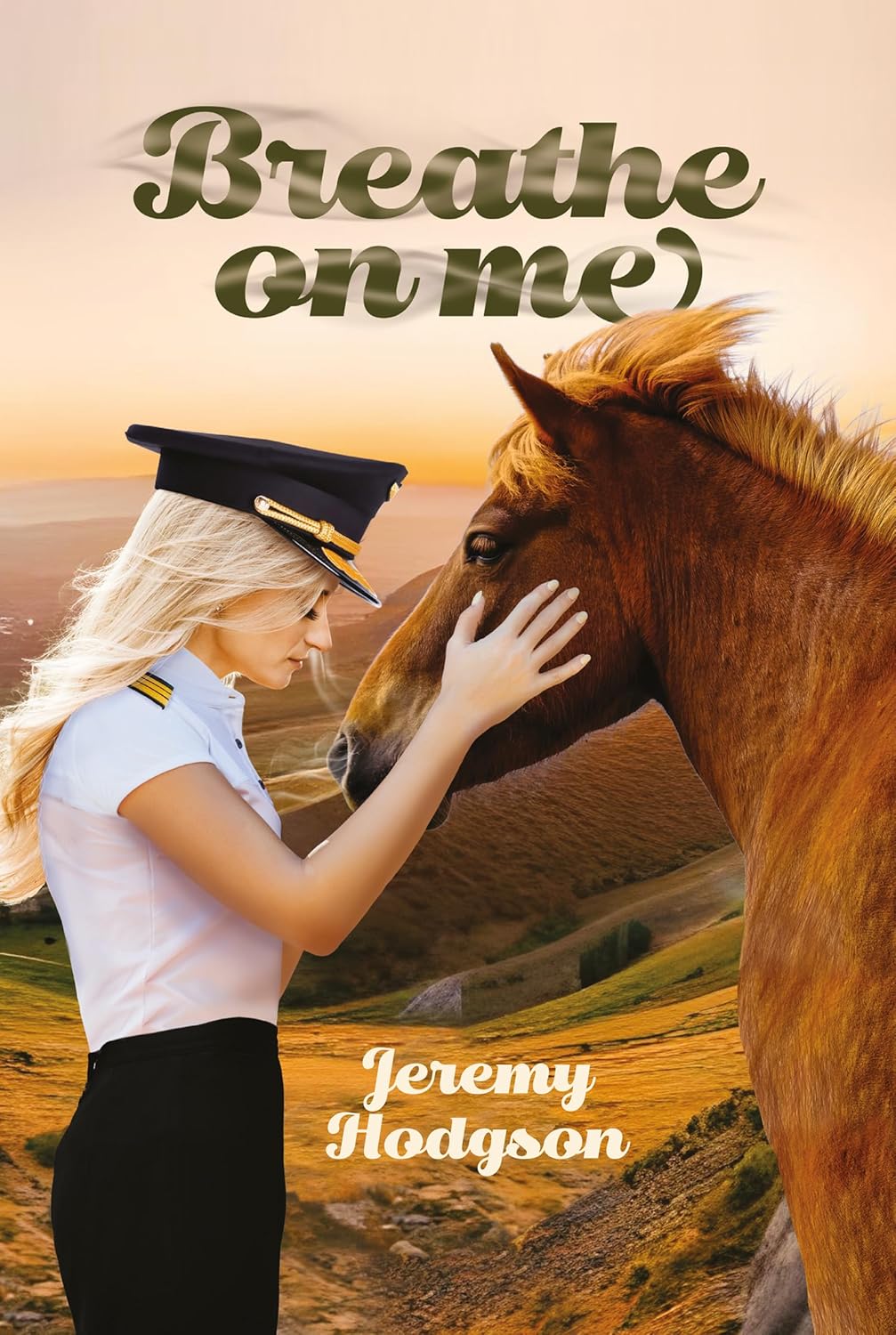
Breathe on Me.
The story has a hidden theme. Find it if you can. It’s the story of an unusual partnership between an airline captain due to retire and a young woman who builds flight simulators in her barn, who together uncover the cause of aircraft crashes and prevent others.
I returned to my first abortion, the series I called Rebirth. After a rewrite, I scrapped it again, tried another route, scrapped that, and decided that if I had any hope of writing science fiction, I should write an SF book. I broke from using where I’ve been for the book’s background, and designed a planet 1000 years in the future and 500 light-years away. It was fun and worked; the lifeforms were nothing like Earth’s animals. The title stayed the same since the day I saved the first lines. I dedicated it to my brother, who sorted out the forest on the planet.
It’s not the story that drove me, but the scenery and the weird beasts and their behaviour.
Book 8:
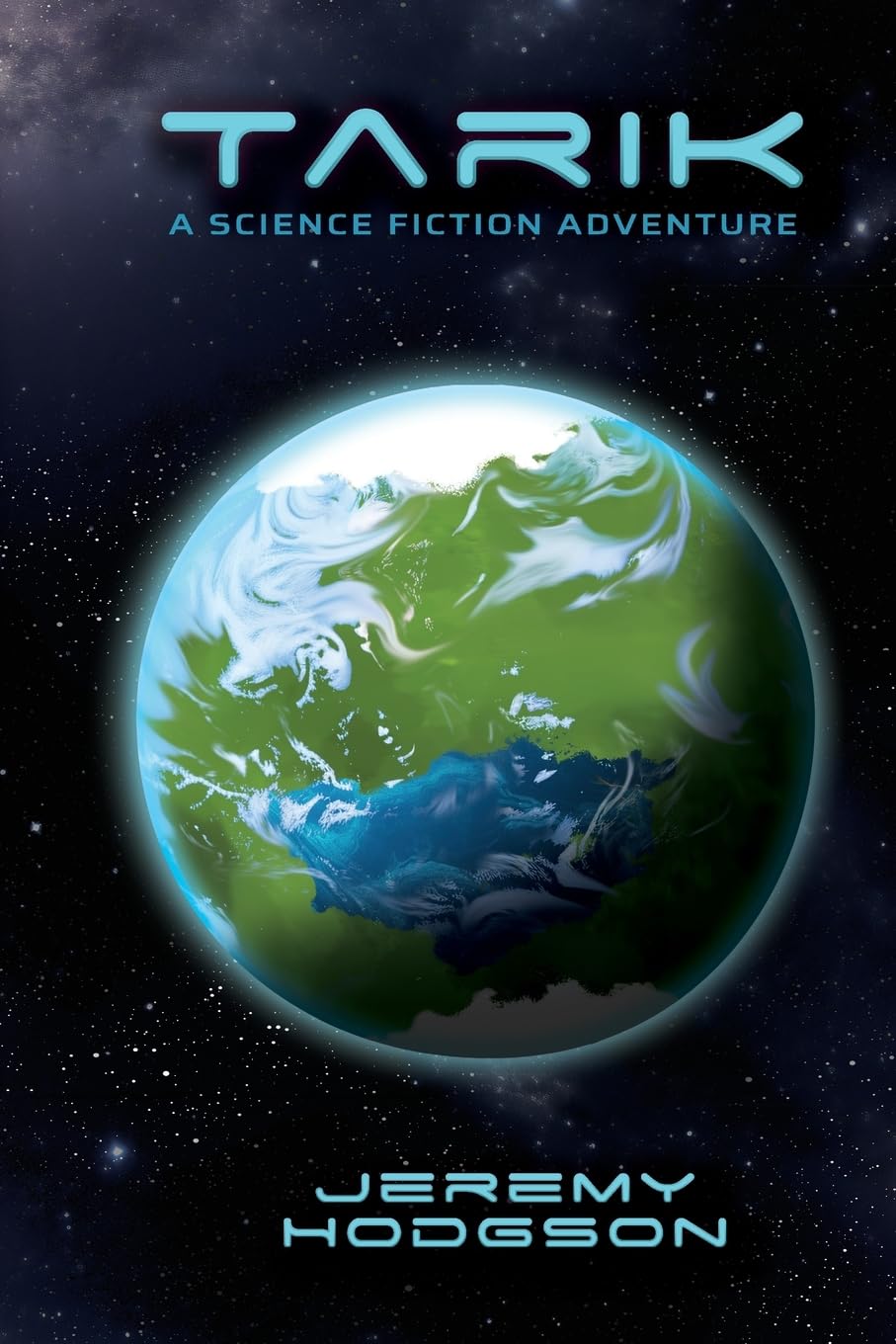
TARIK
What can I say? Except that it was hard work, with multiple minor revisions, lots of math, and hours of research to ensure I had not stated the impossible. It was also the first book I had written with more than two fonts.
Times New Roman for the main text, Italic for thoughts, Calibri for written text, and Lucida for telepathic speech.
The protagonists are two young people born on Tarik, the first-generation humans from a failed colonisation attempt where only 200,000 people arrived instead of 2 million. Marooned alone in the jungle, they travel 3000 kilometres to their home, meet many of the Tarik species, and side with them in a battle for survival.
I have a doctor I visit for regular checkups (as a pilot, I must do so every year). I gave her a copy of Tarik because every week she spends at least one morning helping children with disabilities ride ponies. An exercise that brings surprising results. She adored Tarik and requested a sequel, which I began planning. I needed to invent some new animals, and that is not easy. While doing that, I decided to try a different SF, an ecology and global warming theme. It became more fantasy than SF, as I set out to answer the question of what a new messiah would do to solve our pollution and global warming problem. Global warming became a line in the epilogue, and the rest was essentially: he could change the behaviour of Crabs, Octopuses, and Lobsters.
Book 9:
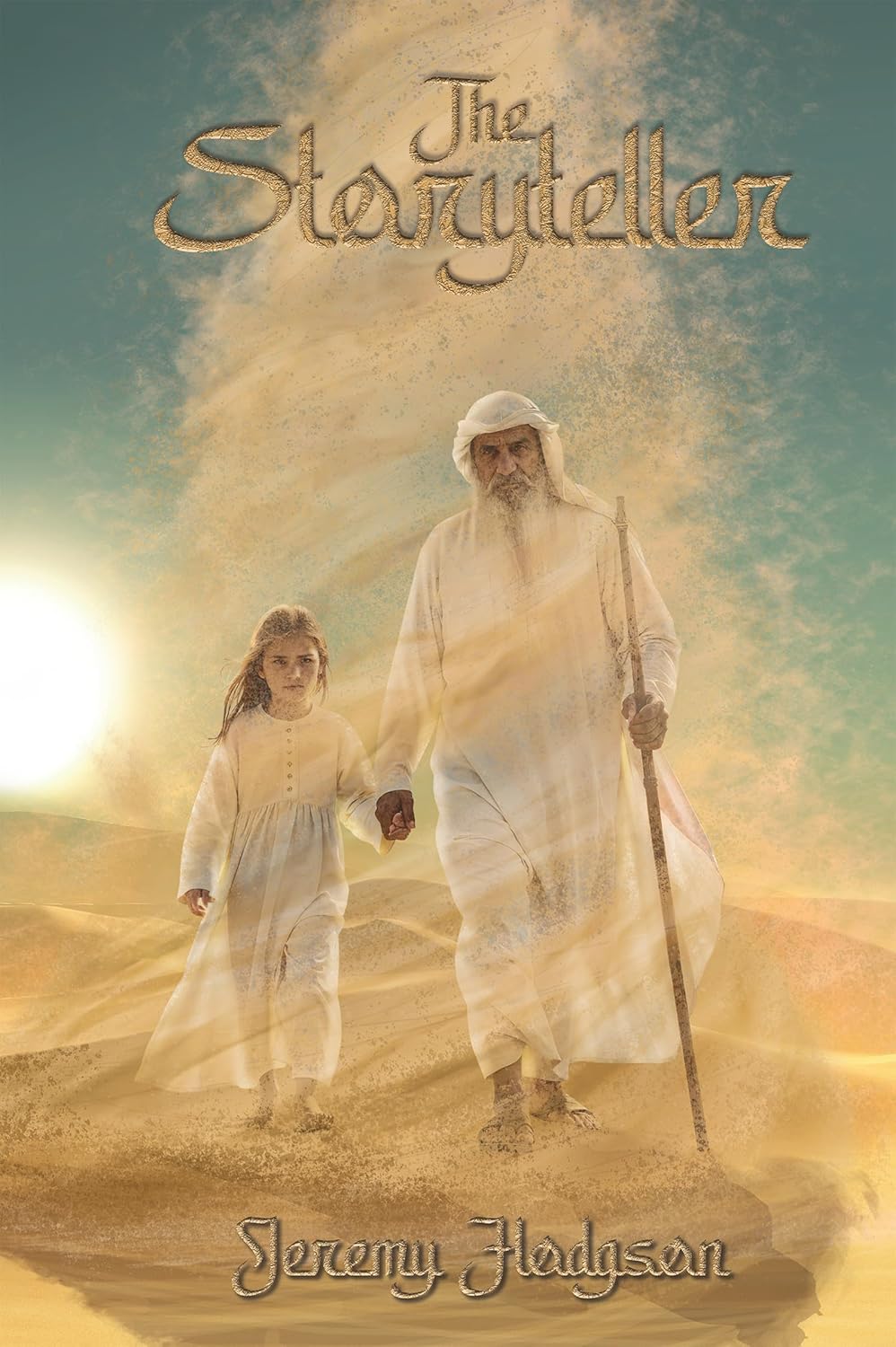
The StoryTeller
A futurist (Patrick) meets a CIA analyst (Meghali), and shortly thereafter, a mysterious man claiming to be the Storyteller from God wreaks havoc across the world. Patrick and Meghali must discover what’s happening and design and supervise a response to the threat of economic destruction.
I revised the plot for the sequel to Tarik several times, and was still unhappy. To take my mind off Tarik, I resurrected Failed Book 2, scrapped most of it, and rewrote it. I once again used the places I visited or lived in as the background. It didn’t happen in one session; there were several. After each one, I asked a structural editor for an opinion. Many hours of research later, I received a pass mark. It taught me that Agatha Christie was a genius with complex plots.
Book 10:
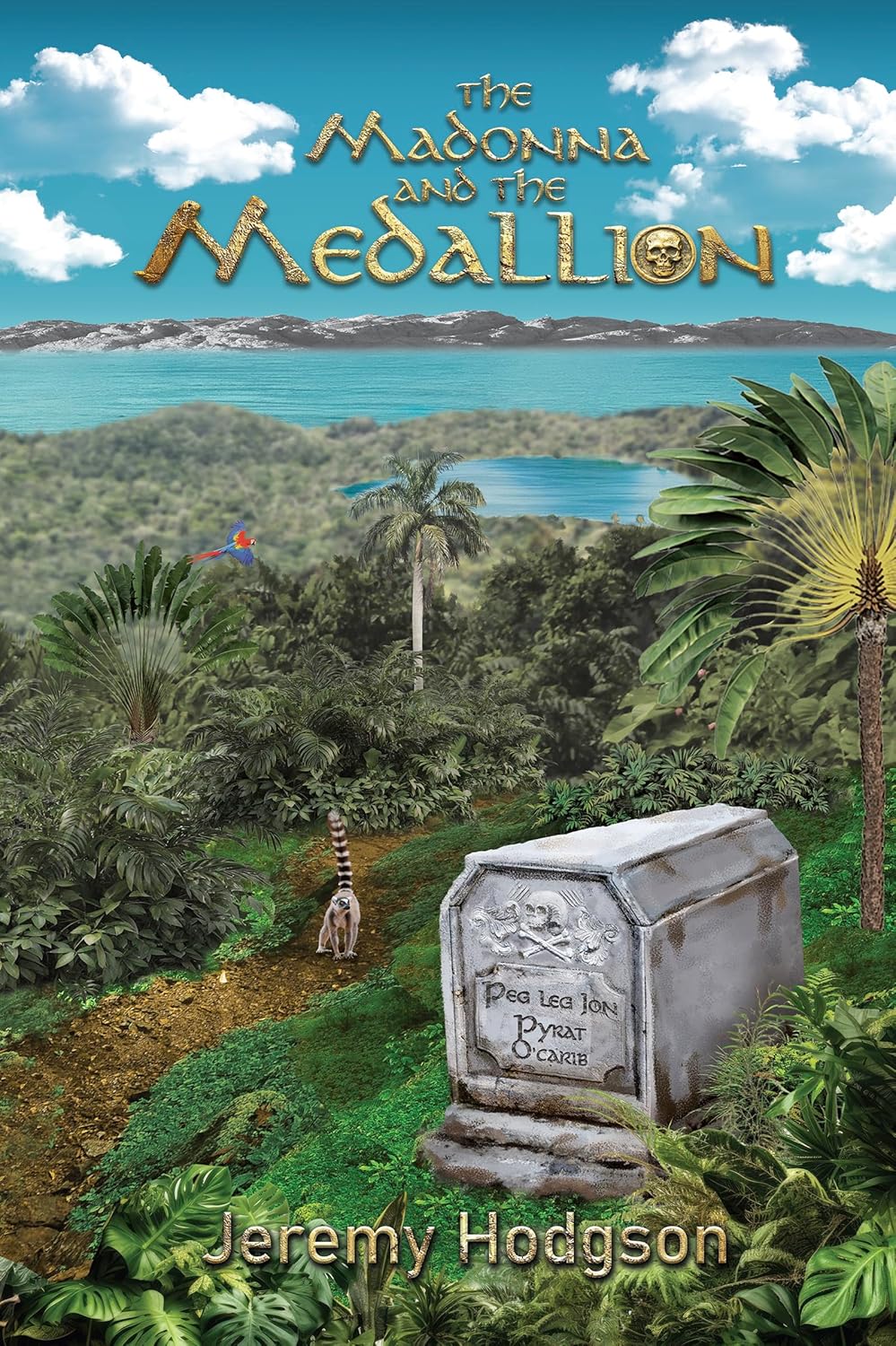
The Madonna and the Medallion.
I don’t know if trying to rewrite is good or bad. This one has a few original bits, like the reworked opening scenes, but the plot changed completely, becoming a search for the origins of a pirate. Perhaps it would have taken less time if I had not wandered off to try writing a tear-jerker. 18 years old, Lisa and Leo met in a Madagascar cemetery, and, on parting to attend university in two separate countries, they promised to discover the identity of the occupant of a tomb labelled ‘Peg Leg Jon, 1716, Pyrat o’Carib’. While studying and then building their careers, they not only identify him but also trace what he did on a remote Indian Ocean coral island, with remarkable results. (The flying remained. I can’t help it.)
I returned to the Tarik sequel. I managed to write it, sent it to my structural editor, and received a recommendation to read a book about character arcs. Back to square one.
I left it. Then, I wrote a sequel to the Storyteller. But something went wrong. My structural editor said I hadn’t written a sequel; it was a totally different book. So I switched back to Tarik II.
This time, I got it 90% right. After lots of editing, it reached 100%. It is now formatted, and the cover will be the same as the first Tarik, but with ‘II’ added. I have dedicated it to Dr Elisabeth Mohith – I hope she likes it.
Book 11:
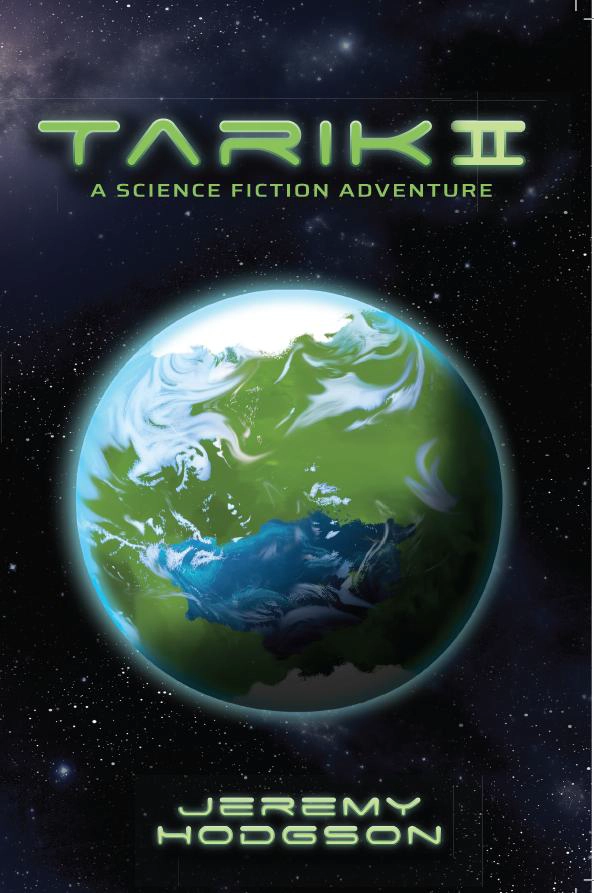
Tarik II.
The same planet, a lost starship, some of the previous animals, a lot of new ones, some odd fish, and the equivalent of proto-humans. New protagonists, although the old ones reappear in cameos. I have realised that in all my books the female protagonist grows into a strong character, and this one is nodifferent.
With only the Storyteller sequel to rewrite as a different book, I managed to play down the fantasy aspect to a prologue comment referring to the past. Ten years after they met, Meghali stands for President of the USA, and Patrick arranges her campaign. She grows into the role while dark opposition forces oppose her. Assassination becomes a likely outcome. The title again comes from a line near the end of the book. Editing, modification and more editing, delete the poor and replace with something better.
Book 12:
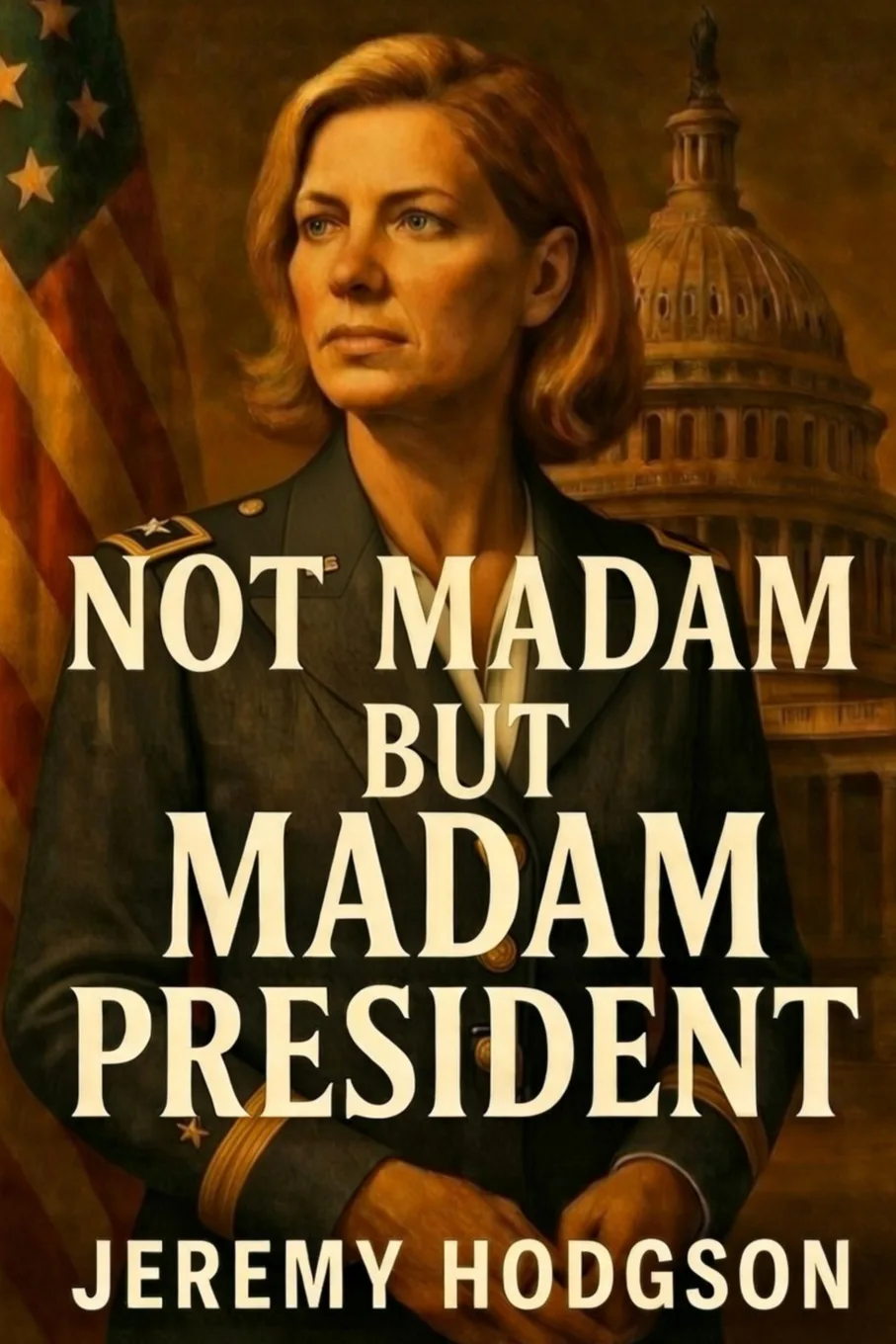
Not Madam but Madam President.
Greatest challenge yet – America.
She never sought power, but when a mysterious oil disaster threatens the East Coast and whispers of sabotage echo through Washington, Meghali Azzaro is thrust into a political storm.
Persuaded by Patrick O’Connor, her brilliant strategist and husband, she enters the race for the presidency – only to discover that the real battle isn’t for votes, but for survival.
From the corridors of the United Nations to the heart of Tornado Alley, Not Madam but Madam President is a high-stakes saga of ambition, loyalty, and courage. As global forces conspire to rewrite the future, Meghali must decide: will she risk everything to build a New America, or run from the shadows determined to destroy her?
Thrilling, thought-provoking, and eerily timely – this is the political drama you won’t forget.
So what will I do now? Well, there’s AyGee, although the title will change, and maybe I can look again at Rebirth. If I’m not a good author yet, at least I know how to make it better.
And then of course, maybe I should return to my memoirs.